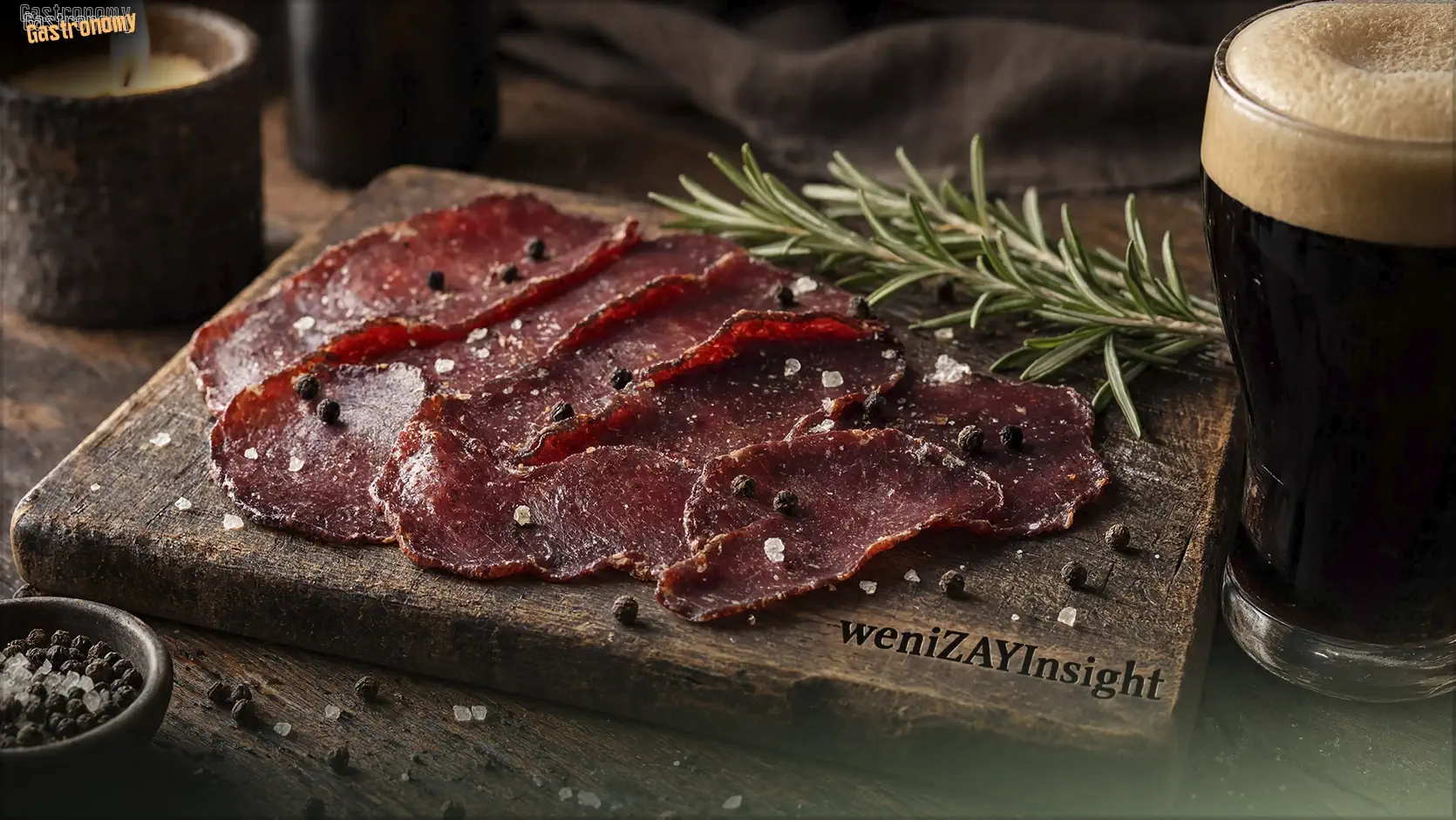
The Dish That Starts in November
In Ireland, Christmas does not begin on the twenty-fifth of December. It begins weeks earlier, in a cold kitchen, with a piece of beef and a bowl of crushed spices. The beef is rubbed, pressed, wrapped, and left — not for hours, not for days, but for a full fortnight. It is turned, pressed again, and left to cure in its own dark, fragrant juices. By the time it is finally boiled, cooled, and sliced thin on the Christmas table, the season has already been happening for a while. The spiced beef was there before the tree, before the cards, before the first carol on the radio. It was the first act of preparation, and it set the tone for everything that followed.
This is Irish spiced beef — the great, patient dish of Nollaig, the Irish Christmas. It is not a recipe for the impatient, and it was never meant to be. It is a masterclass in the oldest skill the kitchen knows: the art of starting early, and trusting the long wait.
Why the Old Country Cured Its Beef
Spiced beef belongs to a time before refrigeration, when preserving meat was not a hobby but a necessity. Ireland's winters are mild but damp, and in the days before cold storage, the only way to keep beef through the dark months was to cure it. Salt drew out the moisture. Sugar balanced the harshness of the cure. And the spices — cloves, allspice, juniper — did what all good curing spices do: they kept the meat safe, deepened its flavour, and made the long wait smell like something worth waiting for.
Over time, the practical became ceremonial. Spiced beef was no longer just preserved meat for winter; it became the centrepiece of the Christmas table. It was served cold, sliced thin, alongside hot stews and hearty breads, and it carried with it the memory of every household that had ever cured a joint in the hope of a good Christmas. The dish survived because it was delicious. But it endured because it meant something.
The Alchemy of the Cure
A good spiced beef cure is a balance of four forces, and understanding them is the key to understanding the dish.
The salt does the essential work. It draws moisture out of the meat, creating an environment where harmful bacteria cannot thrive. The sugar — always brown, always dark — tempers the salt's severity and feeds the slow chemical changes that deepen the meat's flavour over the fortnight. The spices — a generous hand of crushed allspice, cloves, juniper berries, and black pepper — are the soul of the dish. They do not merely sit on the surface; over two weeks, they seep into the meat, flavouring it to the core. And finally, time does what no technique can hurry: it lets the cure penetrate, the flavours marry, and the beef become something that could not exist on day one.
The Recipe: Traditional Irish Spiced Beef
What you need:
- 2 kg beef silverside or topside, in one piece
- 150 g coarse sea salt
- 100 g dark brown sugar (muscovado or molasses sugar)
- 2 tbsp allspice berries, crushed
- 1 tbsp cloves, crushed
- 1 tbsp juniper berries, crushed
- 1 tbsp black peppercorns, crushed
- 1 tsp saltpetre (optional, for the traditional deep red colour)
- 2 bay leaves, crumbled
How to make it:
- Make the cure: Mix the salt, brown sugar, crushed allspice, cloves, juniper, black pepper, saltpetre (if using), and crumbled bay leaves in a bowl. The mixture should smell rich, warm, and almost sweet.
- Rub the beef: Place the beef in a large, non-metallic dish. Press the cure mixture into the meat on all sides, rubbing firmly so it adheres. Do not be gentle here — the cure needs contact with the meat.
- Press and cure: Cover the dish with a board or plate and place a heavy weight on top (a few tins work well). Store in a cool, dark place or the refrigerator. Leave for 10 to 14 days, turning the beef every two days and rubbing the juices back over the surface.
- Soak: After the cure, remove the beef and rinse off the spices. Soak the joint in cold water for 2 hours to remove excess salt. Pat dry.
- Boil gently: Place the beef in a large pot, cover with cold water, and bring to a bare simmer. Cook for 2.5 to 3 hours, until the meat is tender but still holds its shape. Let it cool in the cooking liquid.
- Press and chill: Remove the beef, wrap it tightly in muslin or foil, and place under a weight in the refrigerator overnight. This firms the texture and makes clean slicing possible.
- Serve: Slice thin, against the grain, and serve cold with brown bread, mustard, and a glass of stout.
How to Serve It
Spiced beef is a cold dish, and its serving should honour that. Slice it as thin as you can — it is the thinness that lets the spices sing. Arrange the slices on a wooden board, slightly overlapping. Serve with a sharp mustard, a loaf of brown soda bread, and plenty of good butter.
And then there is the stout. The deep, roasted bitterness of a good Irish stout is the perfect counterpoint to the sweet, spiced richness of the beef. The two were made for each other — the darkness of the beer against the warmth of the spice, the cold meat against the warm room. It is, in a glass and on a plate, the taste of a long winter night made comfortable.
The Meaning of the Long Preparation
There is a reason so many traditional Christmas dishes require advance preparation. The spiced beef must be cured for a fortnight. The Christmas pudding must mature for weeks. The fruitcake needs time to steep. These dishes are not just food; they are acts of anticipation. They ask you to think about Christmas while it is still November, to set something in motion while the season is still far away, and to trust that what you begin now will be ready when the moment comes.
In a world that wants everything instantly, there is something quietly radical about a dish that requires you to begin in November for a meal in December. It says that the preparation is not a chore to be rushed through. It says that the waiting is part of the joy. And when you finally slice that dark, fragrant beef on Christmas Day, you are not just serving a meal. You are serving the two weeks of turning, pressing, and patience that made it possible. You are serving the proof that some things are worth starting early.
Для комментирования войдите или зарегистрируйтесь.