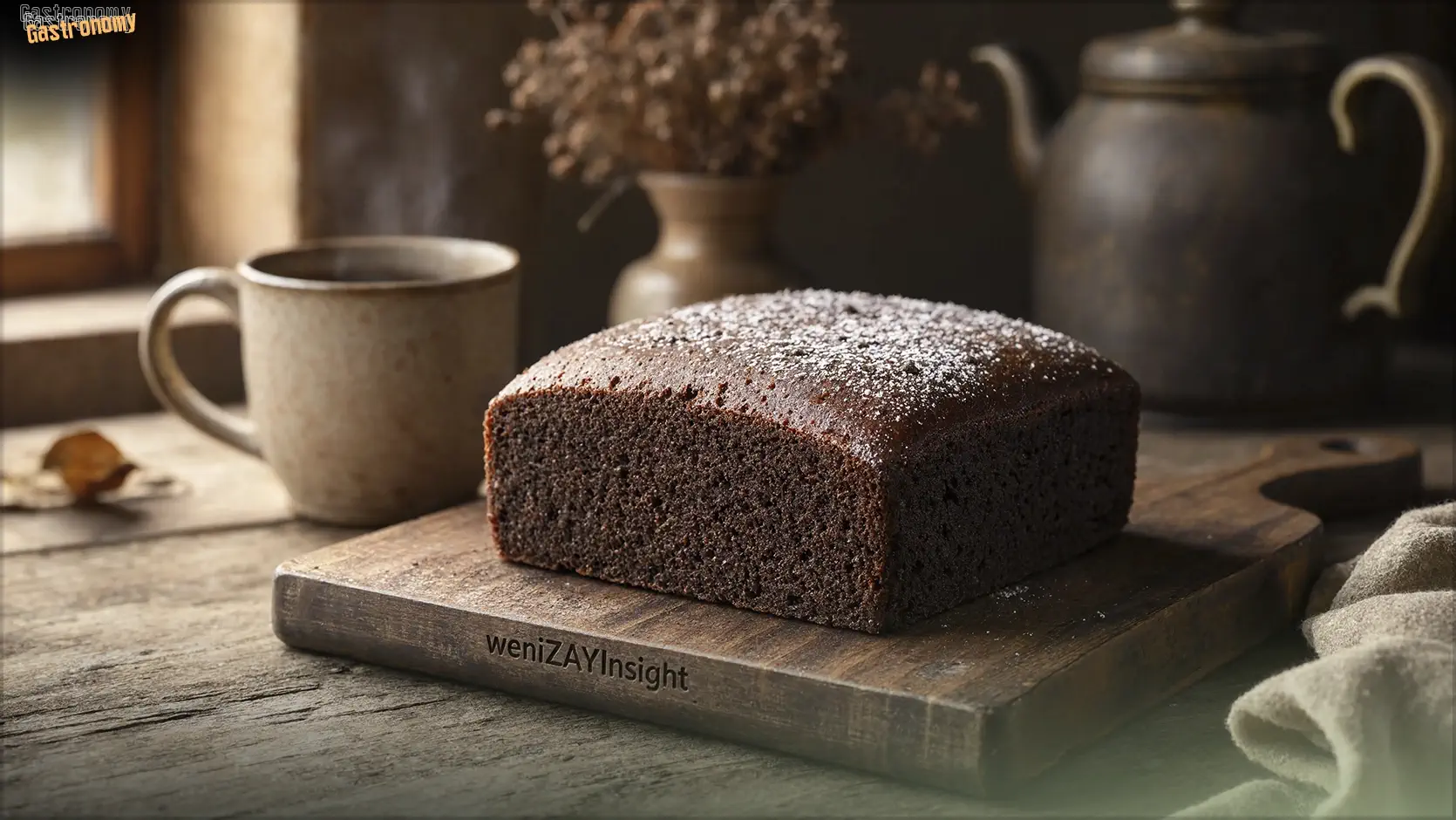
The Discipline of the Northern Oven
In the cold, industrial towns of northern England, winter arrives early and stays long. The people there learned centuries ago that survival requires a certain kind of stubborn warmth. Enter dark parkin—a cake that refuses to be eaten the day it is baked. It is not a dessert for the impatient. It is a lesson in delayed gratification, wrapped in greaseproof paper and hidden in a tin. This recipe is a cornerstone of the broader Bonfire Night tradition.
Unlike a sponge cake that peaks the moment it leaves the oven, parkin is born too soft, too fragile, almost liquid in its center. If you cut into it on day one, you will be disappointed. It lacks structure. It lacks depth. But if you trust the process and wait, the magic begins.
The Alchemy of Black Treacle and Oats
The secret to traditional parkin lies in its humble, unglamorous ingredients. There is no white sugar here, no refined flour. Instead, we use black treacle—a thick, bitter, deeply mineral molasses that gives the cake its midnight color and complex, almost savory sweetness. Golden syrup adds the necessary sticky gloss, while the oatmeal provides the rustic, nubby texture that defines the cake.
The Recipe
What you need:
- 150g black treacle
- 100g golden syrup
- 115g butter
- 100g soft dark brown sugar
- 225g plain flour
- 100g medium oatmeal (or fine oats)
- 2 tbsp ground ginger (be generous)
- 1 tsp mixed spice, 1 tsp baking powder, 1/4 tsp salt
- 1 large egg, 150ml milk, 1 tsp bicarbonate of soda
How to make it:
- Gently melt the treacle, golden syrup, butter, and brown sugar in a pan over low heat. Do not boil. Let it cool slightly.
- In a large bowl, whisk the flour, oatmeal, ginger, mixed spice, baking powder, and salt.
- In a separate jug, beat the egg with the milk and bicarbonate of soda.
- Pour the warm treacle mixture into the dry ingredients, then add the egg mixture. Stir until you have a thick, glossy batter.
- Pour into a lined 20cm square tin. Bake at 160°C (140°C fan) for 50–60 minutes until springy but slightly sticky in the center.
- Cool completely in the tin, then wrap tightly in parchment paper and store in an airtight tin for at least 3–5 days before eating.
The Reward of Waiting
Five days later, you unwrap the paper. The cake has transformed. It is now incredibly moist, dense, and rich with the scent of ginger and deep caramel. You cut a square, and it yields to the knife like fudge. This is the cake you carry out to the bonfire. This is the cake you share with cold fingers and warm hearts. You have waited, and the earth has rewarded you.
Для комментирования войдите или зарегистрируйтесь.