The Dream That Will Not Leave
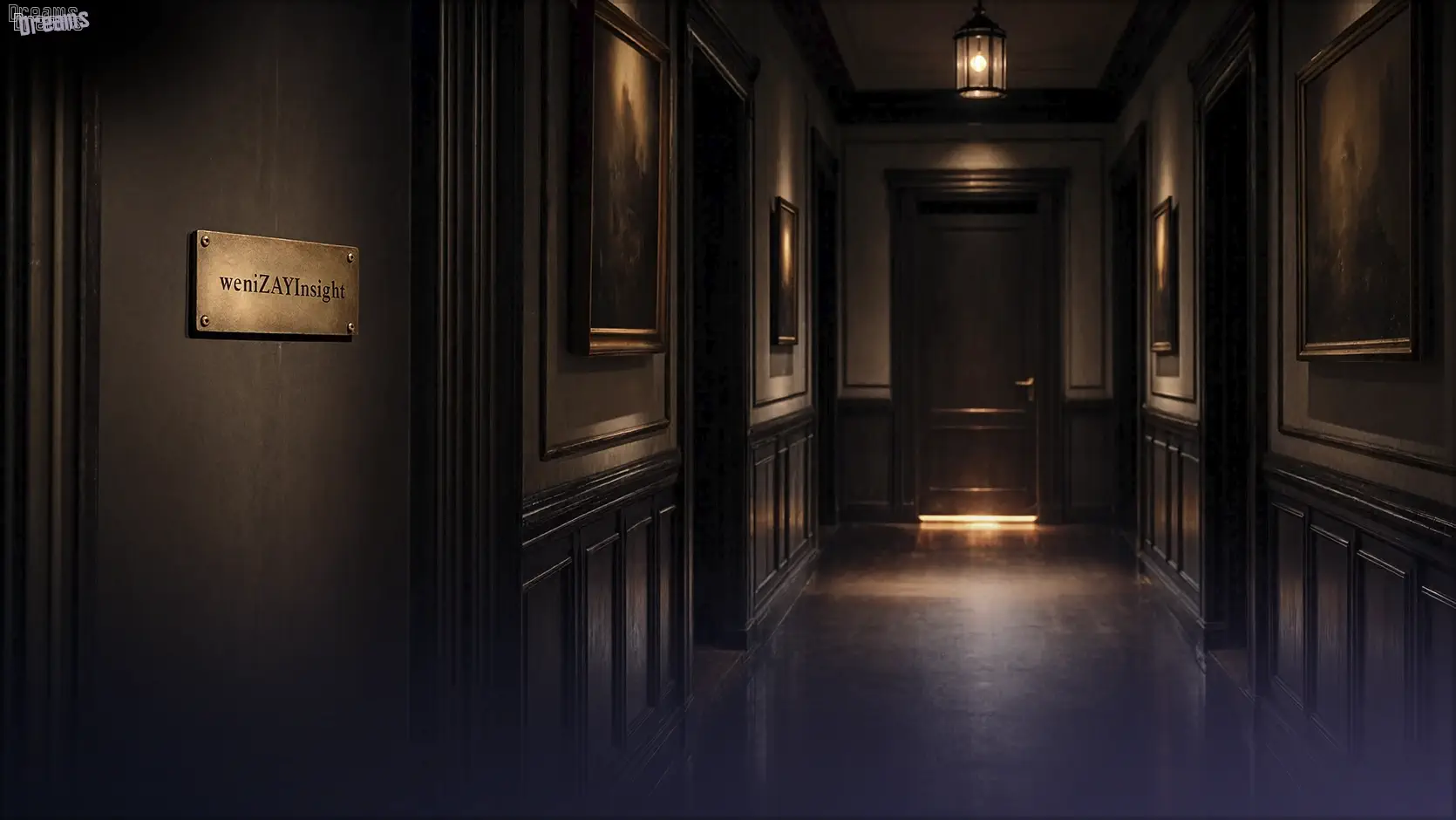
You know the hallway. You have walked it a hundred times, though it exists only when your eyes are closed. The wallpaper is peeling in the same pattern. The carpet is the same shade of faded green. And at the far end, always at the far end, is the door. It is locked, or stuck, or slightly ajar, and you cannot reach it in time. You wake with your heart hammering, certain that this time it will be different. But the next time you fall asleep, the hallway is waiting again. The door is waiting again. And you are walking it again, unable to run, unable to look away.
A recurring nightmare is not a malfunction. It is not a glitch in the brain's sleep software, replaying a corrupted file by mistake. It is a message that has not yet been received. The psyche is patient, but it is also persistent. When something in the unconscious mind needs to be seen — a fear, a grief, a truth, a part of yourself that has been locked away — it will send the message again and again, night after night, until you finally open the envelope. This is not punishment. It is persistence. The dream keeps returning because you keep refusing to read it.
Why the Same Dream Returns
Every dream is a letter from the unconscious, written in the language of image and metaphor rather than words. Most dreams are delivered once, read by the dreaming mind, and filed away. But some letters carry a message that the waking self has not yet acknowledged. These are the letters that get sent again.
The psyche does not repeat a dream because it has run out of ideas. It repeats because the message inside has not been processed. The same hallway, the same locked door, the same falling, the same being chased — these are not random images. They are the shadow wearing the same disguise because you have not yet recognised it in a different one. The dream will keep the same costume until you see the person beneath it.
Carl Jung believed that the unconscious is not a rubbish bin for repressed memories. It is a wise and compensating partner, constantly trying to balance the one-sidedness of the conscious mind. When the conscious mind refuses to look at something — a grief, a fear, a need, a truth about oneself — the unconscious sends the message in the only language it has: the language of dreams. And if the message is ignored, it does not disappear. It repeats. Louder. Closer. More urgently. Until, finally, you turn around and look.
What the Dream Is Carrying
A recurring nightmare always carries something specific, even if the dreamer cannot name it. The key is not to interpret the dream literally, but to ask what it represents in the dreamer's inner life. The same dream means different things to different people, because the unconscious speaks personally. But there are common themes, and they often point to the same territory:
- The chase: Being pursued by a dark figure, an animal, or an unknown threat. This usually represents an avoided feeling, truth, or responsibility. The pursuer is not the enemy; it is the part of yourself that wants to be acknowledged.
- The locked door: A hallway, a room, or a door that will not open. This often symbolises an unexplored region of the psyche — a memory, a possibility, or a truth that the dreamer is not yet ready to face.
- The fall: Falling from a height, losing footing, or being unable to hold on. This frequently reflects a fear of losing control, or a situation in waking life where the dreamer feels unsupported.
- The unprepared test: Arriving at an exam without studying, or being asked to perform in front of an audience. This often points to a fear of being seen as inadequate, or a situation where the dreamer feels exposed and judged.
- The inability to run: Trying to escape but moving slowly, or being frozen in place. This is one of the most common recurring nightmare motifs, and it usually reflects a feeling of powerlessness in some area of waking life — a situation the dreamer wants to leave but feels unable to.
The Body Remembers What the Mind Ignores
When you wake from a recurring nightmare, your body is often still in the dream. The heart is pounding. The palms are damp. The chest is tight. These are not residual effects of a bad dream; they are somatic markers — physical signals from the nervous system that the dream's message is important. The body processes the dream's emotional content even when the conscious mind tries to dismiss it.
This is why recurring nightmares are so exhausting. They are not just mental events; they are full-body experiences. The nervous system is being activated night after night, and the body is paying the cost. If the message is not received, the body keeps the score — in tension, in fatigue, in a low-level anxiety that never quite resolves. The dream is not only asking to be understood. It is asking the body to be allowed to rest.
A Gentle Method: Re-Entering the Dream While Awake
The most effective way to work with a recurring nightmare is not to fight it, and not to try to force it to stop. It is to re-enter the dream while you are awake, in a safe and controlled way, and to look at what it is carrying. This is a practice used in Jungian dreamwork and in trauma therapy, and it can be done gently, in your own time:
- Write the dream down: As soon as you can after waking, write the dream in as much detail as you remember. Do not analyse it. Do not judge it. Just record it: the hallway, the door, the feeling in your chest, the colour of the walls. The act of writing is the first step in opening the envelope.
- Name the feeling: Ask yourself: what is the dominant emotion in this dream? Fear? Powerlessness? Shame? Grief? Name it as specifically as you can. The feeling is the message.
- Find the waking-life echo: Ask: where in my life right now do I feel this same feeling? Where do I feel unable to run, unable to open the door, unable to speak? The dream is almost always reflecting a situation, a relationship, or an inner conflict in waking life.
- Re-enter the dream in imagination: Close your eyes and imagine yourself back in the dream, but this time, you are awake inside it. You can look around. You can touch the door. You can turn around and face the pursuer. You can ask the dream: what do you want me to see? What are you trying to tell me? Do not force an answer. Just listen.
- Let the dream change: Often, when you re-enter the dream and look at what it is carrying, the dream begins to shift. The door opens. The pursuer speaks. The hallway leads somewhere new. This is not magic; it is the psyche responding to being heard. The message has been received, and the dream no longer needs to repeat itself.
What Changes When You Open the Letter
When you finally look at what the recurring nightmare is carrying, something remarkable happens. The dream may not stop immediately — the psyche is patient, and it may send one or two more reminders to make sure the message has landed. But the quality of the dream begins to change. The hallway feels less threatening. The door opens, even slightly. The pursuer becomes less menacing, or speaks, or reveals its face.
And then, one night, the dream does not come. Or it comes one last time, but differently — the door is open, the pursuer is gone, the falling ends in landing rather than impact. The psyche has been heard. The letter has been read. And the part of yourself that was locked in the hallway, the part that kept knocking, is finally allowed to come in and sit down.
This is not a quick fix. It is a slow, gentle conversation with the unconscious, and it requires patience and honesty. But it is also one of the most freeing things you can do. Because the moment you open the letter, the moment you say to the dream: I see you, I understand, you can stop now — the nightmare loses its power. It no longer needs to shout. It no longer needs to repeat. It can finally rest. And so can you.
Для комментирования войдите или зарегистрируйтесь.