The Quiet Exit No One Warns You About
You expected the boundary to feel like freedom. And for a moment, it did — the relief of saying no without apology, of keeping a Saturday for yourself, of letting the phone ring without reaching for it. But then came the part no one mentioned: the friend who stopped calling after you cancelled three times in a row. The family member who went cold when you stopped absorbing their crises. The colleague who found someone else to dump the work on. The slow, quiet understanding that some people were not in your life because of who you are — they were there because of what you gave.
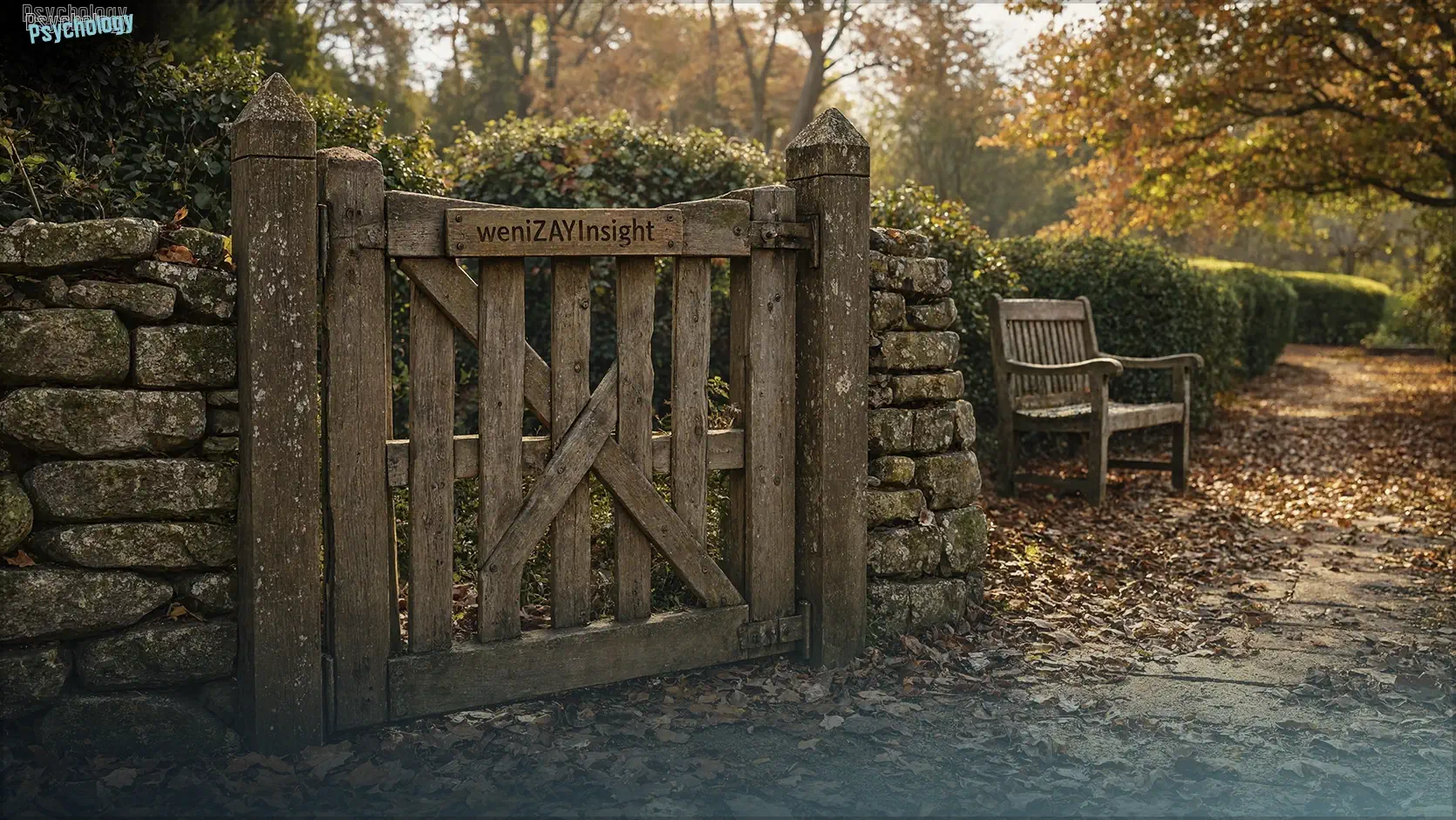
This is not a failure of the boundary. This is the boundary working exactly as designed. A gate does not keep everyone out; it reveals who was only ever willing to enter on one condition — that it never closed. And when that condition ends, so does their presence. The grief you feel is not proof that you made a mistake. It is the natural mourning of discovering that some of your relationships were transactions disguised as connection.
Why the Gate Changes the Guest List
Every relationship is built on a set of unspoken terms. For many people, the terms were: you give, they take; you soothe, they spill; you adapt, they stay fixed. As long as you held those terms, the relationship was stable. The moment you renegotiated — the moment you said "I need," "I can't tonight," "this no longer works for me" — you broke the contract. And for some people, a broken contract means the end of the deal.
This is not cruelty on their part, not always. Some people genuinely cannot relate to a version of you that has needs of its own. They learned to love the unboundaried you the way one learns to love a landscape — by never having to acknowledge its fences. When the fences appear, they do not know how to walk through the gate politely. So they turn around and leave.
The Grief Nobody Validates
Here is what makes this loss so disorienting: there is no cultural script for it. When a friendship ends in a dramatic fight, people say "I'm sorry, they didn't deserve you." But when a friendship ends because you simply stopped overextending, the narrative collapses. You did nothing wrong. You said no. You rested. You asked for what you needed. And yet — the person is gone. What are you mourning, exactly?
You are mourning the version of yourself that kept them. You are mourning the effort it cost, which now feels wasted. You are mourning the future you imagined — the long friendship, the easy history — and realising it was only possible as long as you stayed silent about your own needs. This is a quiet, complicated grief, and it deserves the same tenderness as any other loss.
The People Who Leave When the Gate Closes
Not every departure is a wound. Understanding who leaves — and why — helps you grieve without self-doubt:
- The taker: the person whose relationship was built entirely on your availability. When you stop being available, they move on to the next source. Their departure is not a loss; it is a relief you will feel later.
- The projector: the person who loved in you what they needed you to be. When you stop being that person, their image of you collapses. They leave not because you changed, but because their fantasy did.
- The co-dependent: the person whose identity was built around needing your rescue. When you stop rescuing, they feel abandoned — even though all you did was stop drowning for them.
- The mirror: the rare, difficult case — the person who genuinely loved you, but could not love you with a gate. This is the grief that aches most, because there is no villain in it. Only two people who grew in different directions.
How to Grieve Without Undoing the Gate
The most dangerous moment is not when the person leaves. It is the week after, when the silence gets loud, and your nervous system starts whispering: maybe if you just opened the gate again, they would come back. And you could. You could make yourself small again, available again, silent about your needs again. The door is not locked. But the person who comes back will not be coming back to you — they will be coming back to the role you left open.
What Remains After the Gate
What remains is smaller. And that is the part that frightens people most — the fear that a bounded life will be a lonely one. But what remains is also cleaner. The friendships that survive the gate are the ones that never required your self-erasure. They are the relationships where your no is met with curiosity, not punishment. Where your limits are respected without a negotiation.
Over time, you begin to notice the difference. The calls feel warmer because they are chosen, not owed. The time together feels richer because it was given, not extracted. You are no longer a public thoroughfare; you are a garden, tended, gated, and finally able to grow what was always meant to grow there. And yes — you will grieve the ones who left. But you will not grieve alone. You will grieve alongside the people who stayed, the ones who loved you enough to learn how to use the gate.
Для комментирования войдите или зарегистрируйтесь.